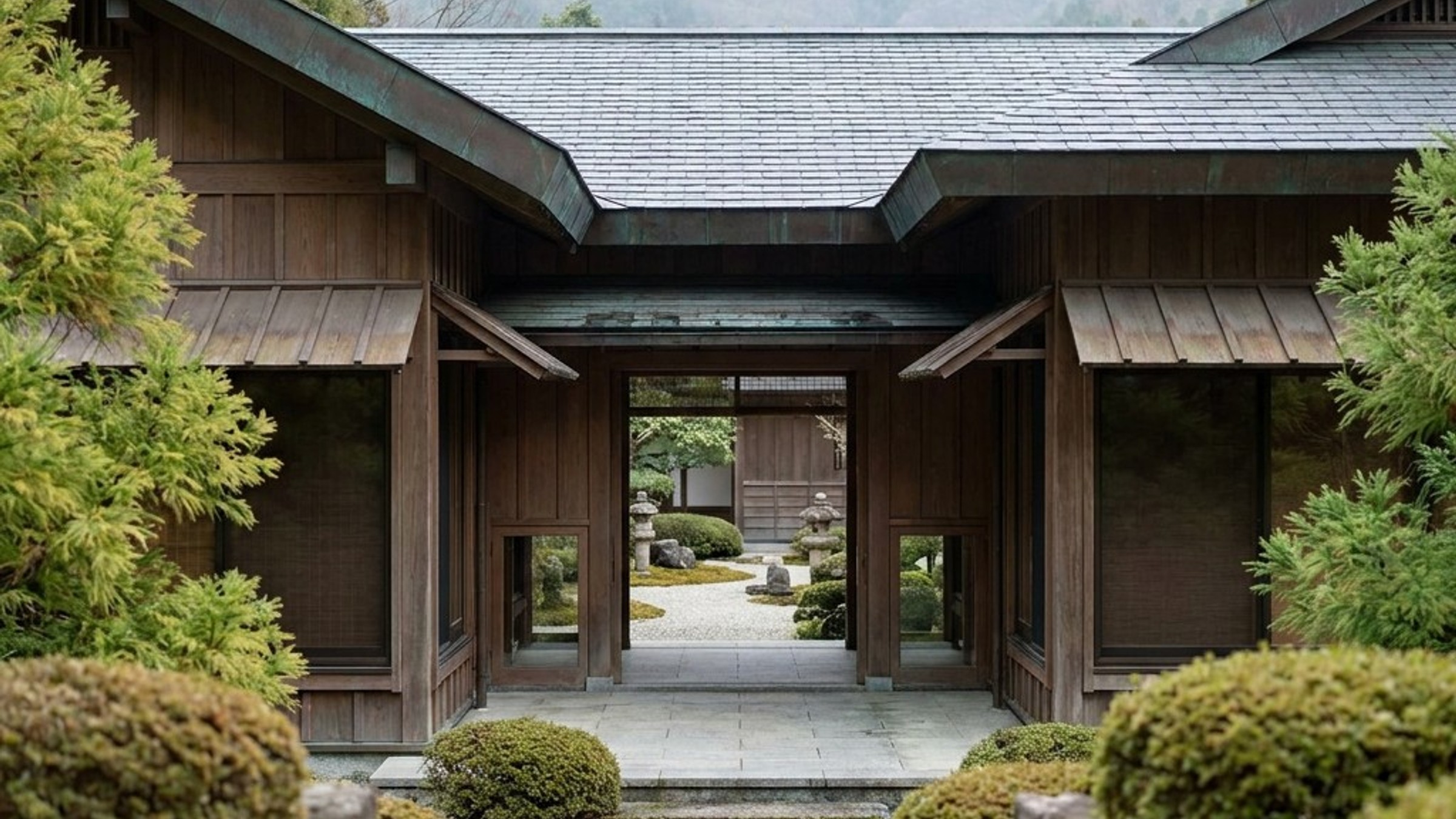
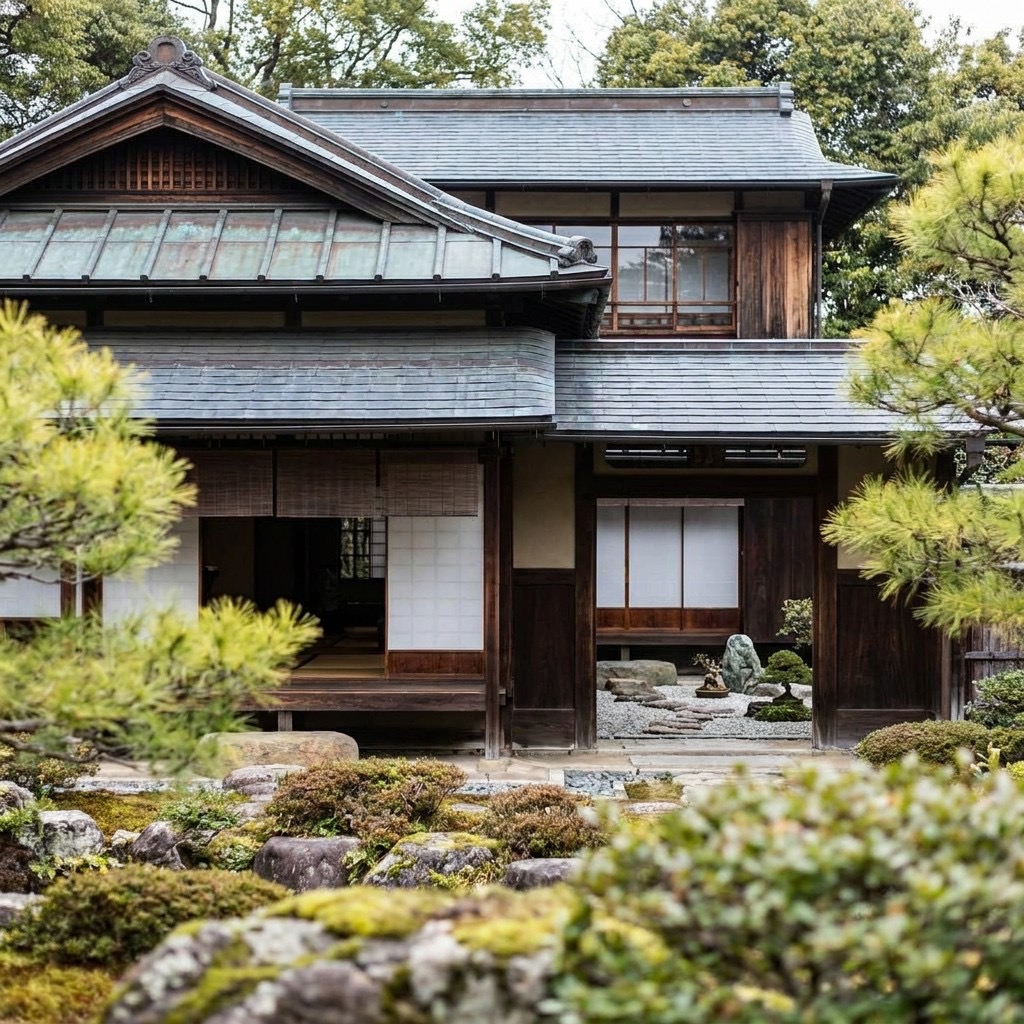

The Real Home Experience of Japan
Six Kyoto machiya townhouses, kept properly. We lease them to those who respect the silence of cedar and stone.
See available machiyaHow leasing here works
You don't apply to a listing. You apply to a house, and it gets a say.
We lease six restored machiya in Kyoto, one tenant at a time. Each house has rules written by the carpenter who restored it. Before a lease is offered, you sit for a quiet interview — about how you would live with tatami, wood, and a small garden, not just what you earn.
Request an interviewThe Restoration
We do not modernize; we return. Every machiya in our care undergoes a restoration led by master carpenters specialized in traditional timber-frame joinery. We preserve the original ventilation logic, the weight of the clay tiles, and the specific acoustics of the garden.
“A house that has breathed for a century requires a tenant who knows how to listen.”
Read the restoration story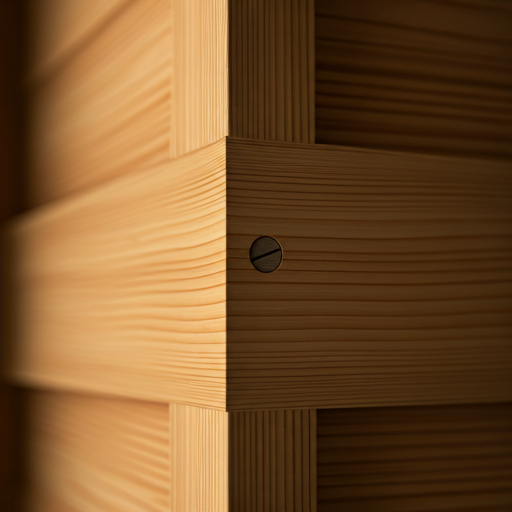
Available Machiya
Six houses are open this season. Each one asks something of you.


The Interview
We do not list on standard portals. Every prospective tenant begins with a letter of intent. We seek to understand your purpose — be it craft, residence, or quiet business.
A formal interview is conducted in one of our restored houses. It is a conversation about stewardship, neighborhood etiquette, and the seasonal maintenance of wood and paper.
Success leads to a long-term lease. You are provided with a house journal — a guide to your specific machiya's history and the carpenter's contact for ongoing care.

The Carpenter's Rules
Rules written by the man who planed the floors. Ishida-san has restored machiya for forty years — about cedar engawa, shōji paper, tatami cycles, and the small tsubo garden that needs restraint, not enthusiasm.
Read house etiquette & careThe restoration
We don't renovate. We return a house to working order and leave the marks of its age.
Tatami & Key began with one house on a Nishijin back lane that nobody wanted because the floor sloped and the roof leaked. Our carpenter, Ishida-san, had restored machiya for forty years and agreed to fix it on one condition: that whoever lived in it afterward would respect the work.
Read the full storyTenant voices
“They asked me how I'd live in the house before they asked what I earned. By the end of the interview I wanted to deserve it.”
“The rules read like a letter from the carpenter, not a contract. I follow them because they make sense, not because I have to.”
The houses in light
Soft daylight, cedar, tatami straw, washi paper.
Questions
- Why do I have to be interviewed to rent a house?
- Because the houses are old and easily harmed by careless living. The interview is a quiet conversation about how you'd live with tatami, wood, and a small garden. It's how the house decides, not just us.
- What is a tsubo garden?
- A tsubo is a tiny interior courtyard garden, often only a few square meters, that brings light and air into a machiya. Most of our houses have one. The house rules explain how to water and not over-tend it.
- How long are the leases?
- One year minimum, renewable, and most tenants stay several years. These houses reward people who settle in. We're not built for short stays or holiday lets.
- Can I make changes to the house?
- Small, reversible ones, and only after you tell us. The shōji, tatami, and original cedar are ours to maintain. Hanging a scroll is fine; drilling the engawa is not.
- Is everything in Japanese, or can I apply in English?
- Either. The listings and house rules are written plainly in both, and we can hold the interview in English. The carpenter's rules lose nothing in translation.
- What's included in the monthly rent?
- The house, its garden, and our maintenance of the original fabric — re-papering shōji, tatami care, structural upkeep. Utilities and your own contents insurance are separate, listed per house.
If a house suits you, write to us.
We answer slowly and properly. No deposit, no pressure — just a note so we can see whether you and the house suit each other.
Request an interview